Investment Property Loans: What You Need to Know
Have you ever thought about owning a property that makes money for you? Many people dream of buying a home or building where they can earn money through rent or other activities. But how do you get the money to buy these properties? That’s where investment property loans come in. These special loans help people buy properties that they can rent out or use to earn money. Let’s dive deeper into what investment property loans are and how they work.
What Are Investment Property Loans?
Investment property loans are like special keys that unlock the door to owning buildings that make money. Unlike regular home loans that help you buy a house to live in, investment property loans are meant for buying properties you plan to rent out or sell later for profit, like apartments, office spaces, or vacation rentals. According to Mutual Mortgage, these loans come with some unique rules because lenders see them as a higher risk.
If you’re interested in technology that can transform how you analyze and manage real estate investments, check out how next-generation AI research tools can accelerate business decision making by offering faster and deeper market analysis.
These loans often have higher interest rates and require bigger down payments than regular home loans. That’s because banks and lenders think there is more risk involved, as explained by A&D Mortgage. After all, what happens if no one rents your property? These rules ensure that those who want these loans are prepared and able to manage these risks.
Types of Investment Property Loans
There are many different kinds of investment property loans. Each type is designed to fit different kinds of investors and their goals.
Conventional Loans
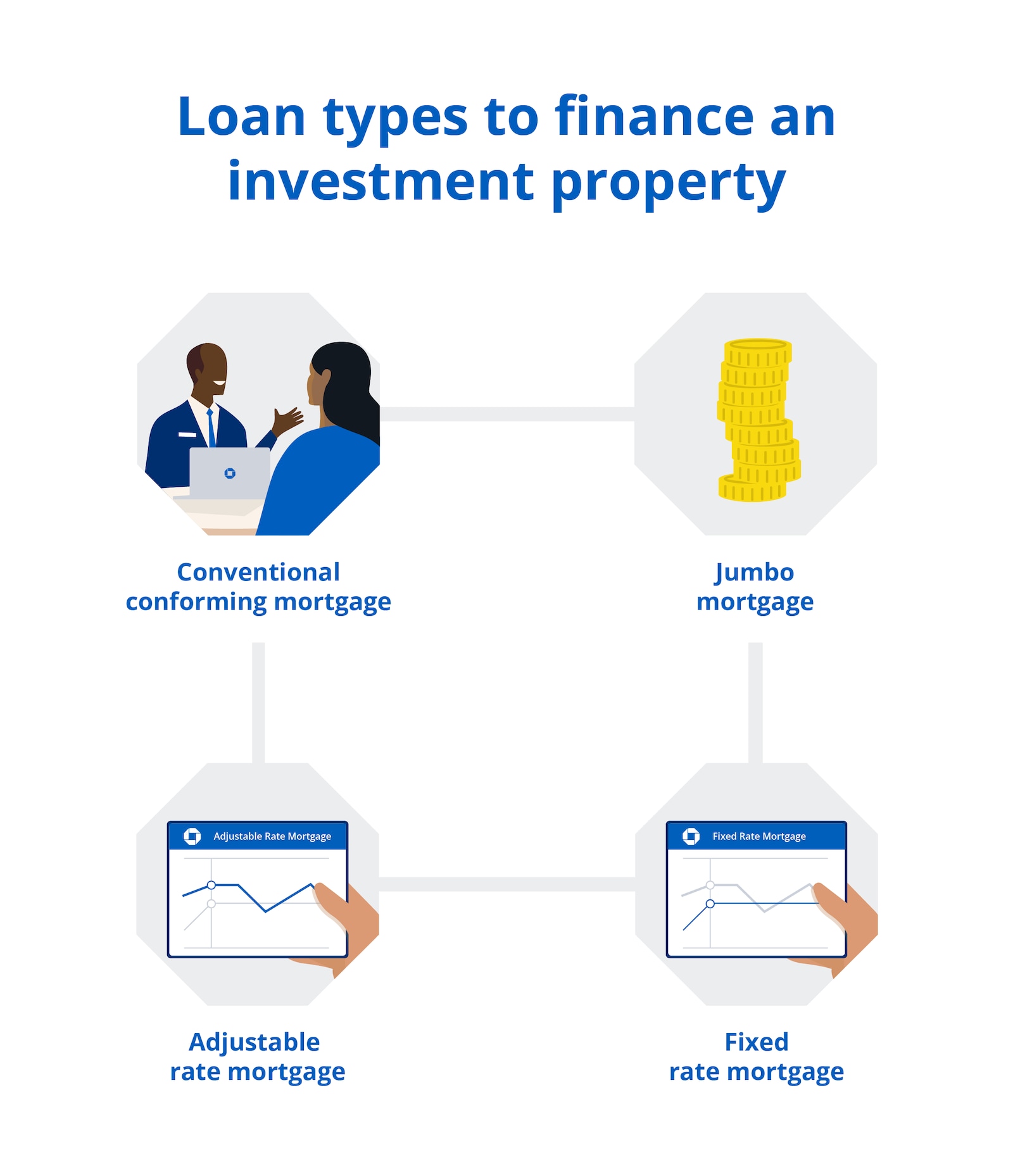
Conventional loans are not backed by government agencies. This makes them a bit harder to get than some other types of loans. You usually need a credit score above 620 and a 20% down payment, according to A&D Mortgage. While they usually have lower interest rates than loans from private lenders, the rules for getting approved are pretty strict. Lenders like LendingTree mention that they can have either fixed or adjustable rates.
If you’re a small business owner considering expanding into property investment, don’t miss our complete guide to AI automation for small businesses to streamline your processes and boost efficiency as you grow.
DSCR Loans (Debt Service Coverage Ratio)
DSCR loans are a little different. Lenders don’t just look at your income, they look at how much money the property can earn. This makes them great for people who own and rent out many properties, according to District Lending. This type of loan is especially useful if you want to expand your property empire quickly.
Portfolio Loans
Some lenders keep the loans they give instead of selling them to someone else. These are called portfolio loans. They are great if you have several properties or have a special situation. Lenders, like those at A&D Mortgage, often offer more flexible terms, which means you might not have to pay as much upfront, but you could end up with a higher interest rate.
Hard Money Loans
Hard money loans are short-term loans. They are based more on the value of the property rather than your credit score. These loans are usually for doing quick flips or speedy purchases and often come with higher interest rates. If you need money fast, this is an option, but it will cost you more in interest, as noted by MasterClass.
FHA/VA Loans
These loans are supported by the government and are usually for first-time investors or veterans. They have lower down payment and credit score requirements, but the eligibility rules are strict, notes District Lending.
HELOCs and Cash-Out Refinancing
If you already own a home, you might use what’s called a HELOC or do a cash-out refinance. This means you use the value of an existing property to help pay for a new one. This is a great way for homeowners to leverage the value of their home for other investments, explains District Lending.
Looking to analyze which loan suits your needs best? Discover our ultimate guide to AI tools for small businesses and learn how AI solutions can help you compare financial products before making a commitment.
Blanket Loans
If you plan to buy a bunch of properties at once, a blanket loan can be helpful. This lets you handle multiple properties with one loan, District Lending points out.
Private Money Loans
These loans come from individuals or companies, not just banks. This means the rules can vary widely, according to District Lending. They can be very flexible, but also more unpredictable because the terms depend on private agreements.
What Kinds of Properties Can You Buy?
With investment property loans, people usually buy:
- Single-family homes: Just one unit.
- Duplexes: Two units.
- Multifamily units: Buildings with up to four units.
- Condominiums, manufactured homes, and cooperatives: Other common choices mentioned by Mutual Mortgage.
These properties are used to rent out for income, flip for a quick resale, turn into vacation rentals, or even invest in commercial spaces like shops or offices as seen on Mutual Mortgage.
Exploring ways to analyze property metrics quickly? Learn how AI-powered research platforms can empower investors with deeper, data-driven insights for property selection.
How Do You Qualify for These Loans?
Getting these loans requires meeting certain criteria:
- Credit Score: Usually at least 620 but higher is better, says A&D Mortgage.
- Down Payment: Often 20% or more of the property’s price.
- Debt-to-Income Ratio: This is a comparison of what you earn to what you owe, meaning lenders will check to see if you have enough money or resources to cover the loan, according to A&D Mortgage.
- Documents Needed: You’ll need to show a lot of paperwork showing your financial health and that the property will generate income, as stressed by MasterClass.
Managing your documentation and financial ratios is essential during the loan application process. Consider how AI tools for marketing and customer management can also streamline your communications with lenders and potential renters.
Pros and Cons of Investment Property Loans
Like every financial tool, these loans have their good and bad sides.
Pros:
- Income Generation: These loans help you buy properties that can earn money, as noted by Mutual Mortgage.
- Flexibility: There are many types to fit different strategies, allowing you to grow and adapt your investments, which is a major perk shared by District Lending.
- Wealth Building: They offer the opportunity to build wealth over the long term through rent or selling later for a profit.
To ensure you’re making cost-effective decisions, read our comprehensive guide to understanding the cost of AI automation for small businesses—the principles for weighing investment and return are applicable for real estate investors too.
Cons:
- Higher Cost: They often come with higher interest rates and larger down payments, making them expensive upfront, according to A&D Mortgage.
- Risk: If you can’t find renters or if the market changes, you could end up losing money, as MasterClass discusses.
Picking the Best Loan for You
Choosing the right loan depends largely on your situation:
- Conventional or FHA/VA Loans: Ideal for new or smaller investors with good credit.
- DSCR or Portfolio Loans: Best for people with many properties or those who want to grow fast.
- Hard Money Loans: Suitable for those needing fast purchases and quick flips.
- Blanket Loans: Perfect for buying multiple properties at once.
Unique Tips
Did you know you can also use “house hacking” to get an investment property? This lets you buy a multifamily home with a standard home loan if you live in one unit and rent out the others, a neat strategy from LendingTree.
Commercial property loans are a little more complicated and ask for bigger down payments, so more research is usually needed, as pointed out by Mutual Mortgage.
Conclusion
Investment property loans are a fantastic way to turn dreams of owning money-making properties into reality. They are tools that help you build wealth, create a stream of income, and even grow a portfolio of properties. With various types to choose from, picked based on your strategy and financial goals, they make entering the world of real estate investment possible and exciting. Whether you’re a first-time investor or a seasoned property owner, understanding these loans is your first step toward a blue-ribbon investment journey. So, are you ready to take the plunge?
